Closing the Maritime Loophole: The EU Targets Russia’s Shadow Fleet
- Jack Oliver
- Feb 10
- 4 min read

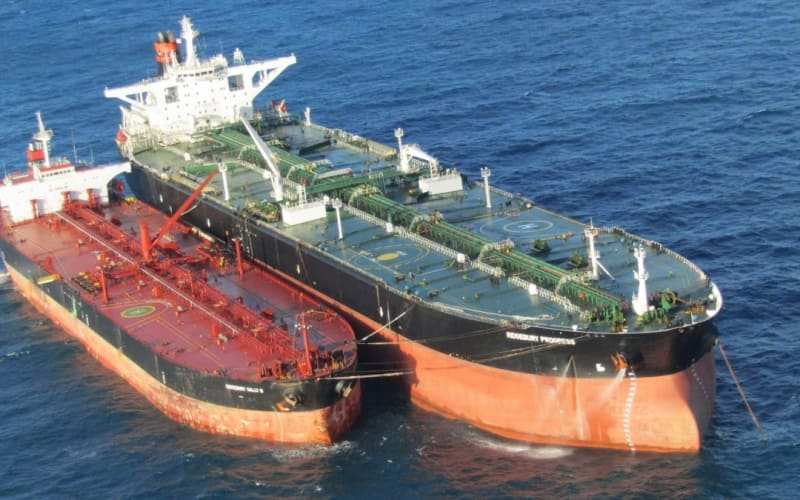
The European Union is escalating its campaign against Russia’s sanctions evasion with a proposed full ban on maritime services for Russian crude oil exports. Announced on February 6, 2026, as part of the 20th sanctions package, the measure targets the heart of Moscow’s oil revenue machine: a sprawling “shadow fleet” of ageing tankers that has allowed Russia to continue exporting billions of dollars’ worth of oil to Asia despite Western restrictions.
“This is a decisive step to close the loopholes that have allowed Russia to circumvent international sanctions,” an EU official said.
From Price Cap to Shadow Fleet Boom
The offensive goes beyond the 2022 G7 price cap, which Russia largely circumvented. By prohibiting EU-linked companies from providing insurance, financing, maintenance, and other services to tankers carrying Russian crude, regardless of price, the ban aims to collapse the distinction between “compliant” and shadow operations. The package also adds 43 more vessels to the sanctions list, bringing the EU’s total to around 640 shadow fleet tankers.
The G7 price cap, implemented in late 2022 for crude and early 2023 for refined products, aimed to limit Russian revenues while keeping oil on global markets. Compliant tankers could access Western services only if oil sold below the cap, recently adjusted to around $44 per barrel. Russia responded by building a parallel system: falsified documentation, non-Western insurers, ship-to-ship transfers, and AIS (Automatic Identification System) manipulation or “dark” operations.
Estimates show the shadow fleet exploded from roughly 100 vessels in early 2022 to 350–600+ core tankers by 2025, with broader networks exceeding 1,000 when including support ships. Growth averaged several vessels per month, fueled by purchases of ageing tonnage. By 2025, shadow operations dominated flows to primary buyers China and India.
The Geography of Evasion

Russia’s seaborne oil exports originate from strategic chokepoints that the shadow fleet exploits. Key loading ports include Primorsk and Ust-Luga in the Baltic Sea (Gulf of Finland), Novorossiysk on the Black Sea, and Arctic terminals feeding into the Northern Sea Route (NSR). Arctic shipments to China surged in 2025, with nearly 100 sanctioned shadow tankers recorded, up sharply from prior years.
From these points, tankers often decades old, flagged in obscure jurisdictions like Sierra Leone or Cameroon, and lacking reputable insurance sail toward Asia. Routes frequently involve high-risk ship-to-ship transfers in international waters to obscure origins, blend cargoes, or evade tracking. Common locations include the Laconian Gulf off Greece and areas near Ceuta in the Mediterranean.
Baltic traffic is particularly concerning. The narrow, environmentally sensitive sea sees dense tanker movements through the Danish Straits. Shadow vessels raise collision risks amid busy shipping lanes and winter ice, with potential for devastating oil spills in one of the world’s most fragile marine ecosystems. In 2025, shadow tankers accounted for over 60% of Baltic crude exports in some periods, with overall seaborne Russian crude shares reaching 65–69% on shadow vessels in recent months.
Environmental Peril and Moral Hazard
Beyond funding Russia’s war generating tens of billions annually the shadow fleet poses acute environmental risks. Many vessels average 19 years old, compared with the global average of 14 years, and are poorly maintained, often without proper insurance. Analysts estimate that a major spill could cost coastal states $859 million to $1.6 billion in cleanup, likely falling on European or Asian taxpayers.
In the Baltic, 14 European nations, including Baltic and North Sea states, issued warnings in early 2026 about deceptive practices like GPS spoofing and AIS tampering. “These operations endanger all shipping and increase the risk of catastrophic spills,” one European maritime official said. Recent incidents include interceptions and tows of suspected shadow tankers in European waters.
Critics argue that indirect Western tolerance of the fleet has created a moral hazard, subsidizing the conflict while externalizing environmental costs.
The EU’s New Offensive and Its Effectiveness
The proposed ban eliminates loopholes by making the Russian crude origin itself disqualifying for Western maritime services. EU-owned tankers reportedly carried about 35% of Russian oil in January 2026. Closing this channel will force greater reliance on the shadow fleet, increasing costs, operational complexity, and discounts for Russian oil.
Success will depend on enhanced satellite and AIS monitoring, pressure on facilitators such as owners, flags, and ports, and allied coordination with G7 partners. Designating more vessels and restricting tanker acquisitions or maintenance, including for LNG carriers and icebreakers, adds additional layers of enforcement.
Challenges remain. Russia may accelerate shadow fleet expansion, pivot to new buyers or routes, such as greater Northern Sea Route use, or deepen ties with China and India. Dark fleet tactics like flag-hopping and ownership obfuscation remain resilient.
Future Outlook: Sustained Pressure as the Path Forward
The EU move signals a shift from price management to direct disruption of export capacity. Combined with port access restrictions, vessel seizures, and Ukrainian strikes on related infrastructure, the strategy could meaningfully degrade Russian oil revenues.
Analysts predict Russia will adapt, possibly increasing Arctic routing or relying on refined product workarounds. Still, higher operational risks and costs should erode margins over time. Enhanced international tracking, environmental regulations targeting uninsured vessels, and targeted sanctions on enablers offer practical next steps.
“The maritime loophole that has sustained Russia’s war economy is closing,” the EU official said, “but vigilance across chokepoints from the Baltic to the Arctic will determine how tightly it shuts.”
The geography that once enabled evasion now highlights vulnerabilities that sustained, coordinated pressure can exploit.


Comments